Oman Adventures
Oman is a land of timeless beauty, rich culture, and breathtaking natural landscapes that offer travelers a perfect blend of adventure and relaxation. From golden deserts and majestic mountains to pristine beaches and historic forts, Oman provides unforgettable experiences for every type of traveler. Known for its warm hospitality and peaceful atmosphere, the country is one of the Middle East’s most captivating travel destinations.
Top Attractions
Jebel Akhdar
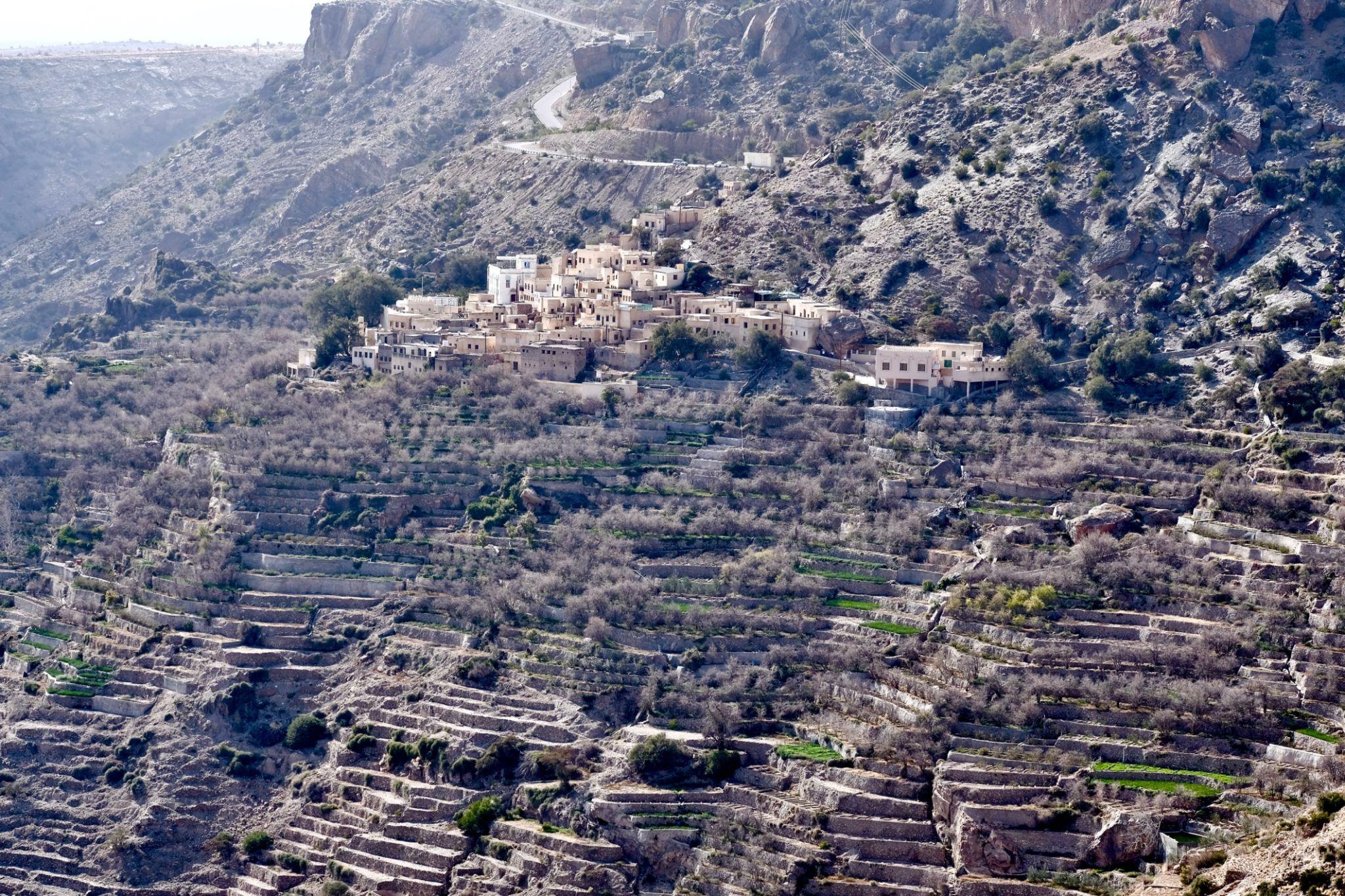
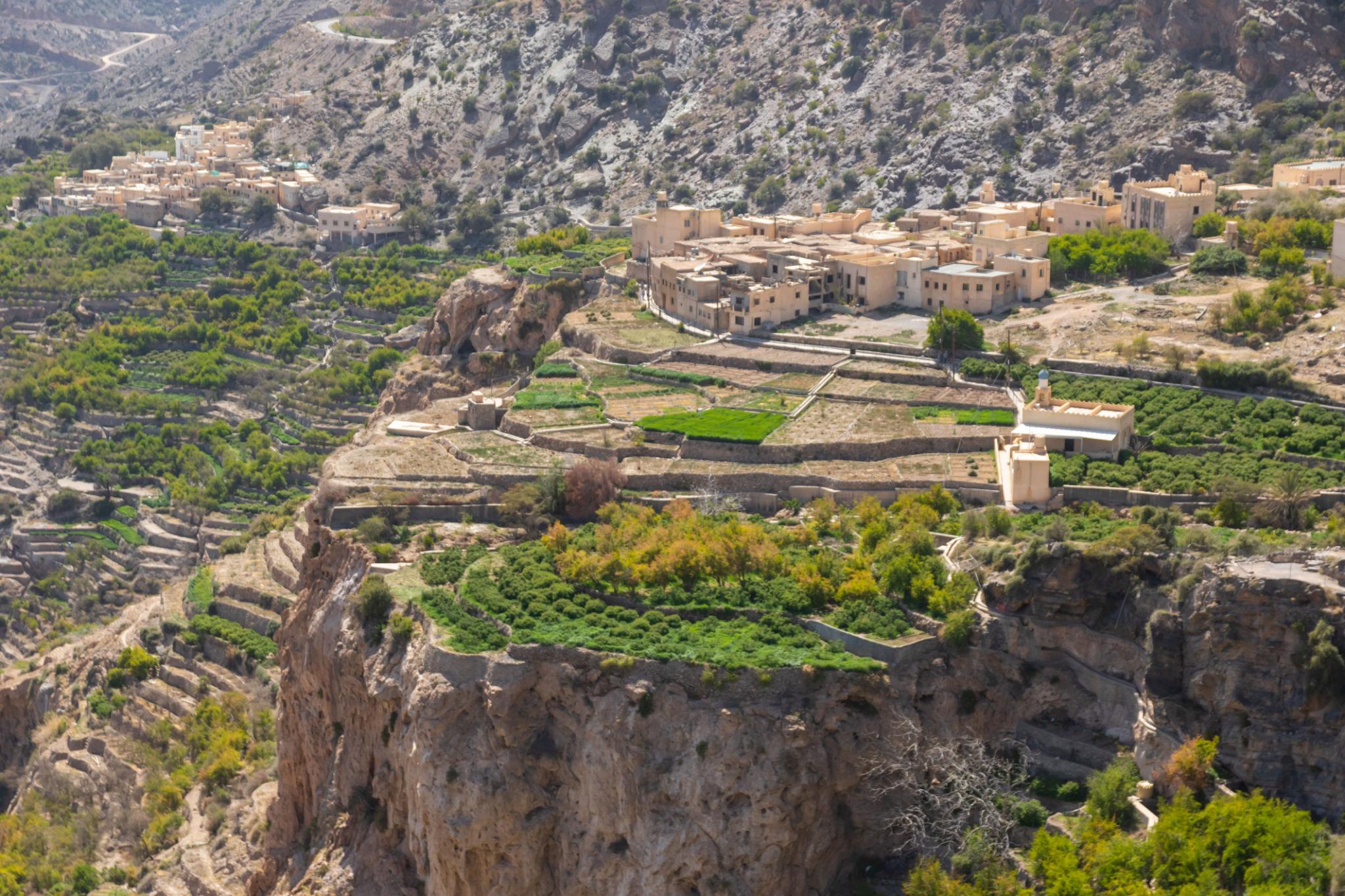
Jebel Akhdar, known as “The Green Mountain,” is a high-altitude plateau located in the Al Hajar Mountains of Oman, about 150–200 km from Muscat. Rising to roughly 2,000–3,000 meters above sea level, it has a noticeably cooler climate compared to the surrounding desert regions, which allows for unique agriculture such as terraced farming of roses, pomegranates, apricots, figs, and walnuts. The area is especially famous for its rose cultivation and traditional rose water production in spring. Visitors are drawn to its dramatic scenery of deep canyons, mountain villages, and viewpoints like Diana’s Point, as well as historic settlements such as Wadi Bani Habib. The main inhabited area, Saiq Plateau, serves as the hub for farms and resorts. Due to its steep ascent, a 4WD vehicle is required to access the plateau. Overall, it is one of Oman’s most scenic destinations, best visited between October and April when the weather is mild and the landscapes are at their most vibrant.
Musandam
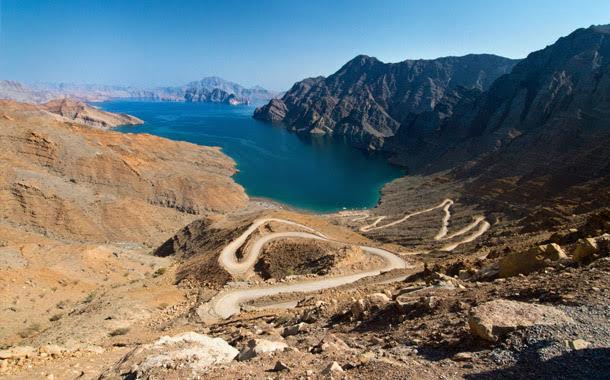
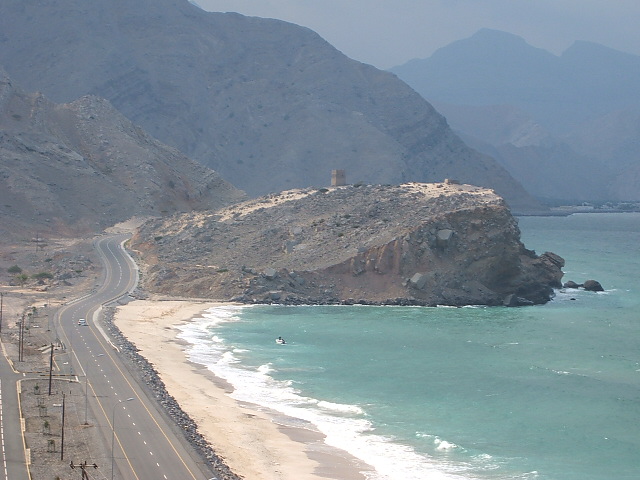
Musandam is a striking peninsula and governorate in the far north of Oman, separated from the rest of the country by the UAE. It sits at the entrance of the Strait of Hormuz, a strategically important sea passage, and is famous for its dramatic fjord-like inlets called “khors,” rugged limestone mountains, and clear turquoise waters. Because of its geography, Musandam feels very different from mainland Oman—remote, wild, and heavily shaped by the sea.
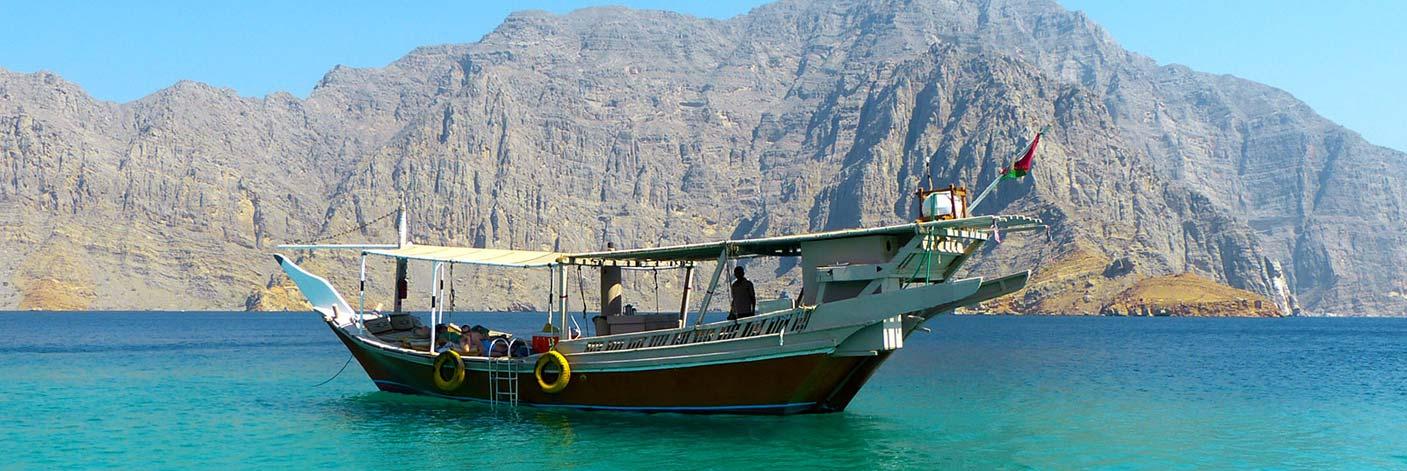
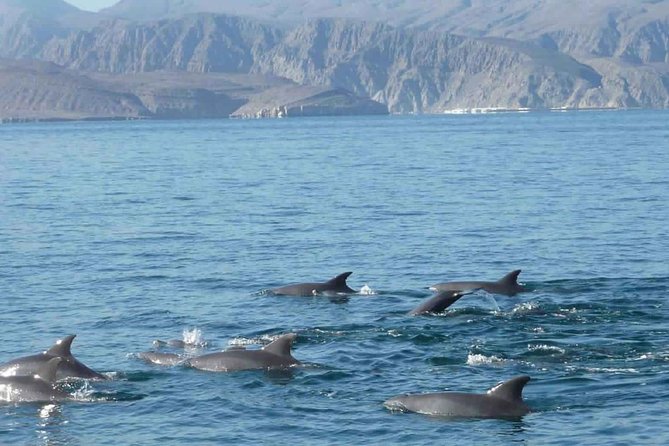
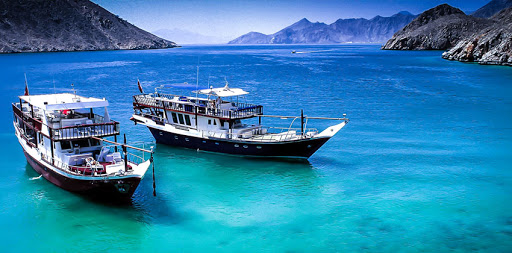
The main town, Khasab, serves as the gateway for visitors and offers boat trips through the khors where you can see dolphins, snorkel in calm bays, and explore traditional fishing villages. The landscape is dominated by the Al Hajar Mountains, which rise sharply from the sea, creating steep cliffs and breathtaking coastal views. Many travelers describe Musandam as the “Norway of Arabia” due to its fjord-like scenery.
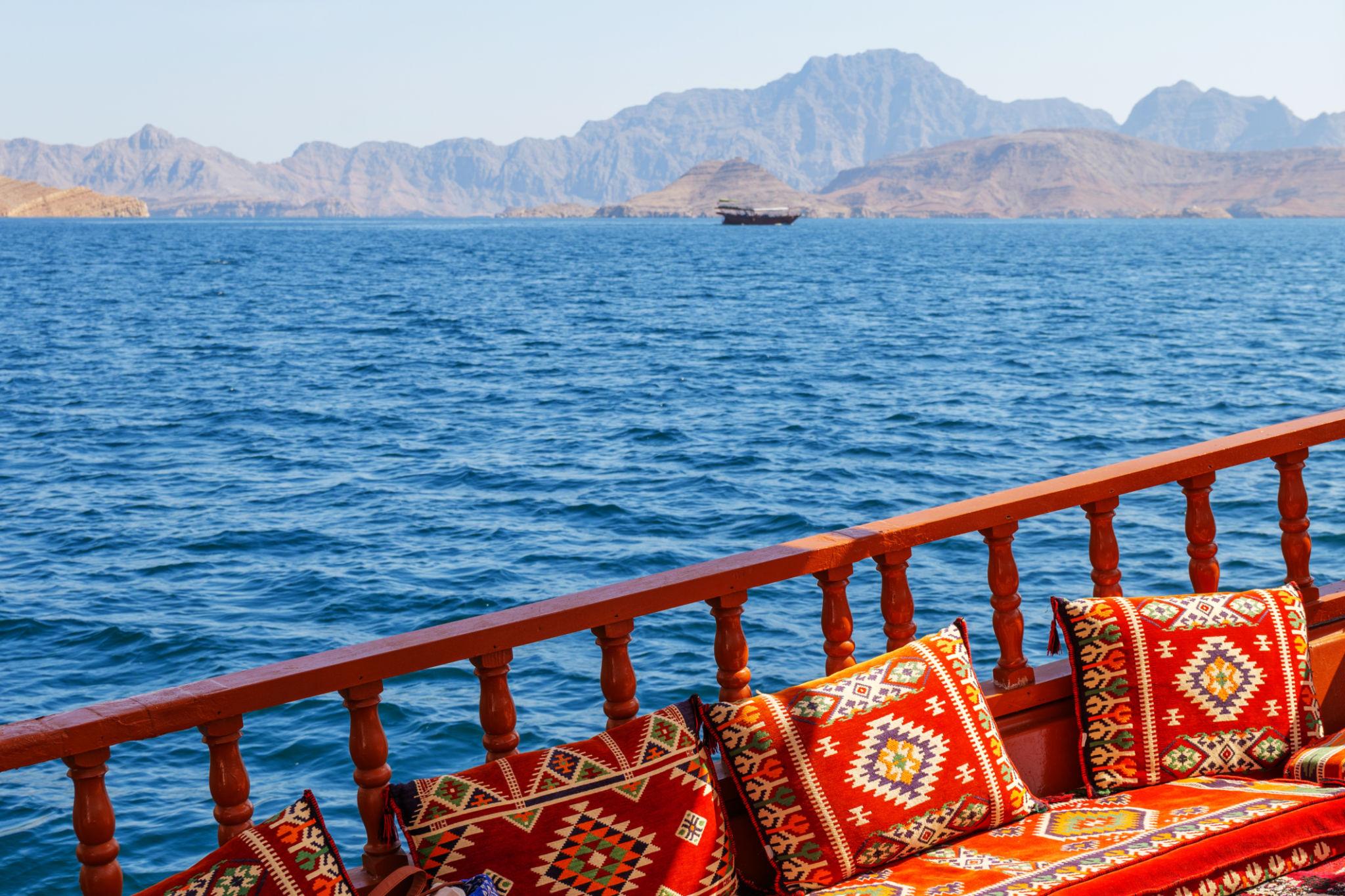
Popular activities include dhow cruises, diving, snorkeling, and mountain road trips with panoramic viewpoints over the coastline. The region remains relatively untouched compared to major tourist hubs, making it ideal for those seeking nature, sea adventures, and quiet landscapes away from crowds.
Muscat
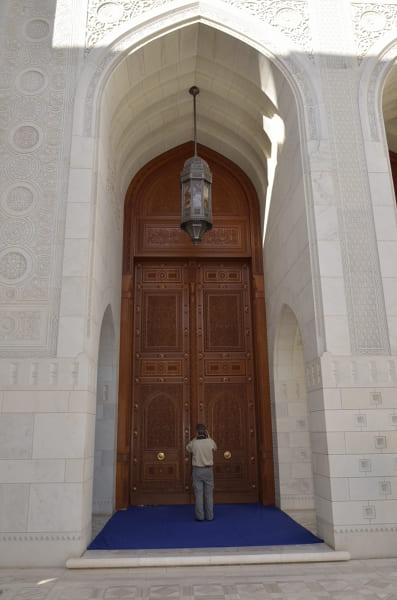
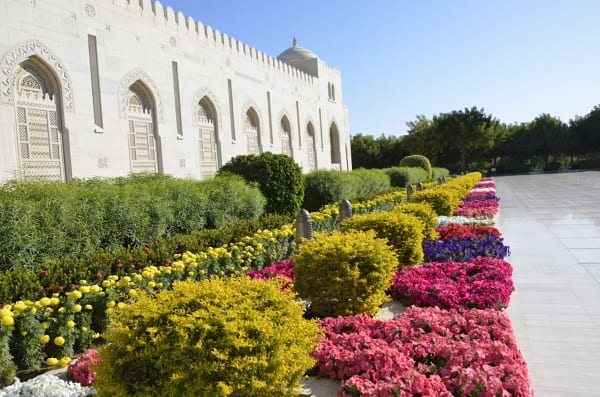
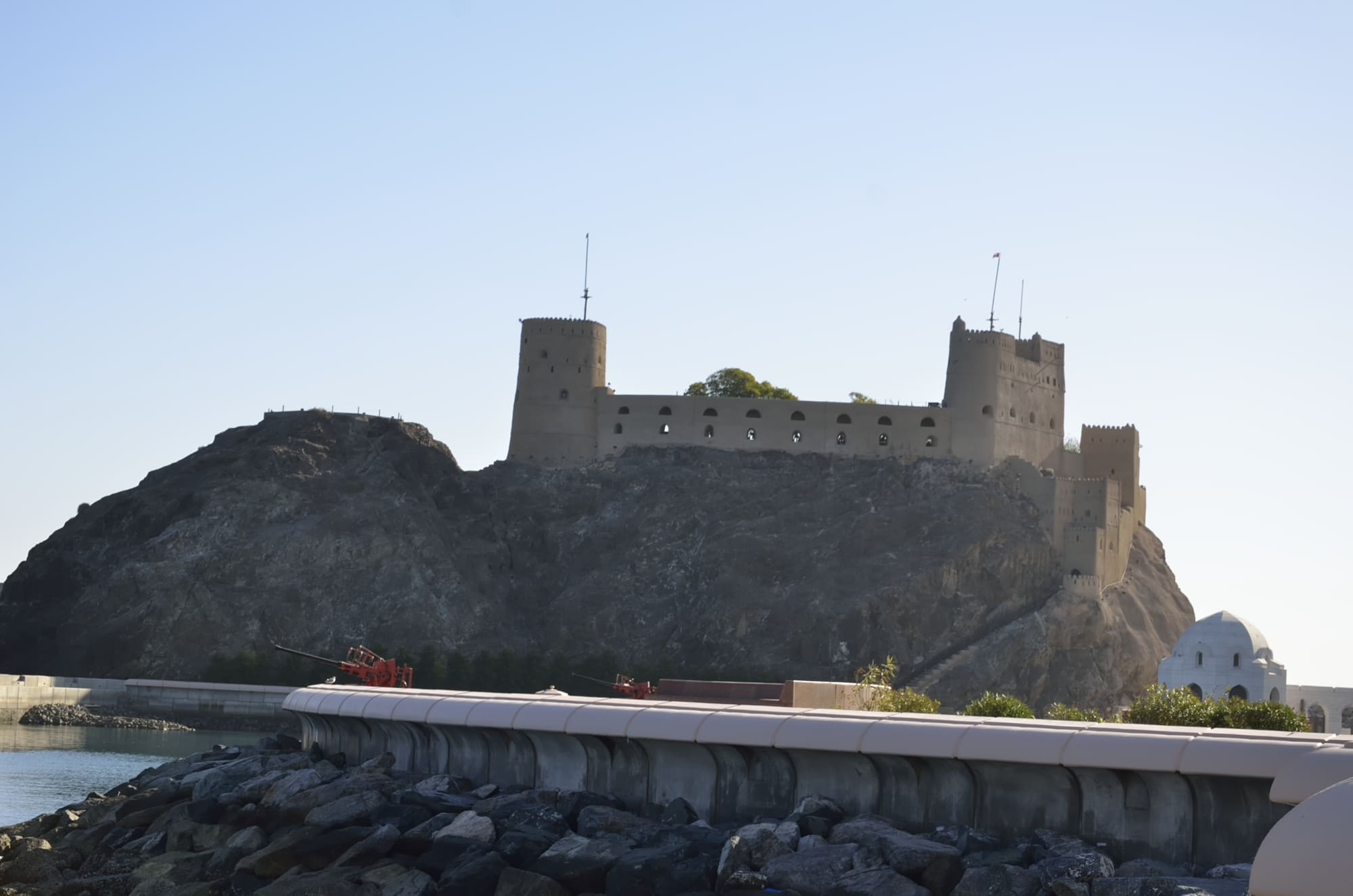
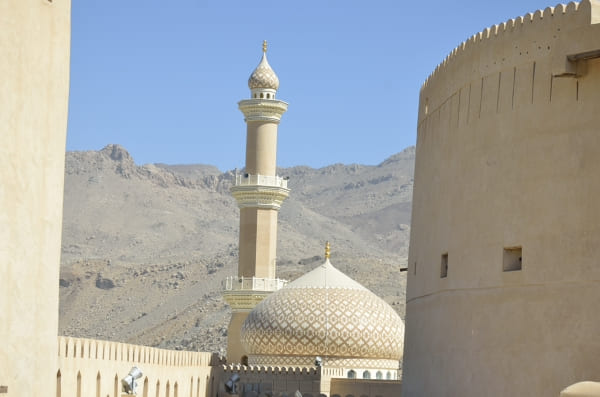
Muscat is the capital and largest city of Oman, located along the country’s northeastern coast on the Gulf of Oman. Unlike many modern Gulf capitals, Muscat is known for its low-rise architecture, preserved cultural identity, and dramatic setting between rugged mountains and the sea. The city is made up of several districts, including the historic old town of Muttrah, where traditional souqs, the corniche waterfront, and a busy harbor reflect its long trading heritage. Landmarks such as the Sultan Qaboos Grand Mosque showcase Islamic architecture and are among the most visited sites in the country. Muscat also serves as Oman’s political, economic, and cultural center, with government institutions, modern business districts, and international connectivity. Despite its development, the city maintains a calm, clean, and relaxed atmosphere, making it a gateway for exploring Oman’s mountains, deserts, and coastline.
Nizwa
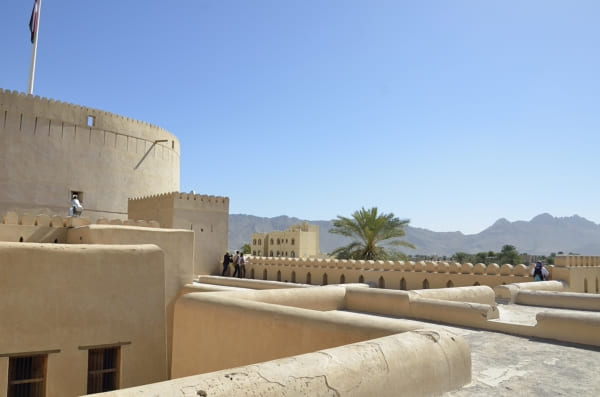
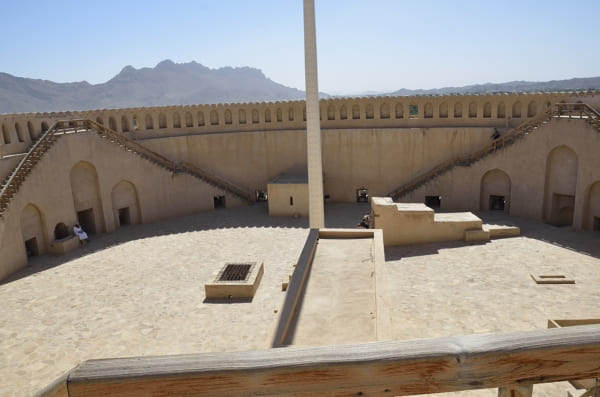
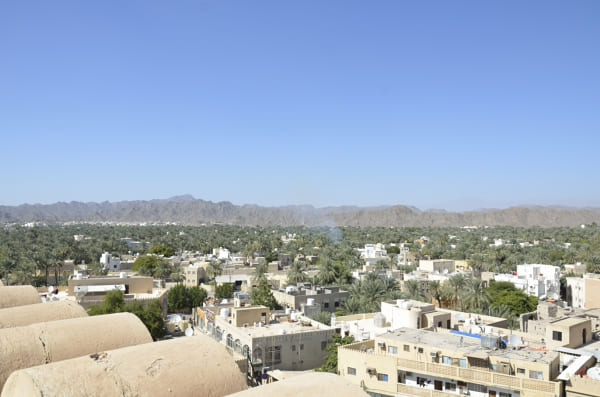
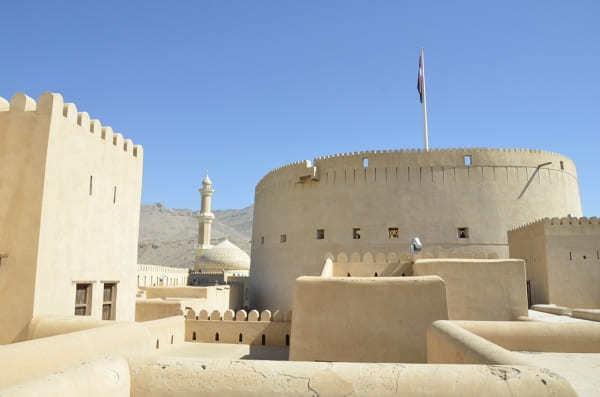
Nizwa is one of the oldest and most historically significant cities in Oman, located near the foothills of the Al Hajar Mountains. It was once the capital of Oman and remains an important cultural, religious, and trading center. The city is best known for its impressive heritage sites, especially the circular Nizwa Fort, which dates back to the 17th century and offers panoramic views of the surrounding oasis and mountains.
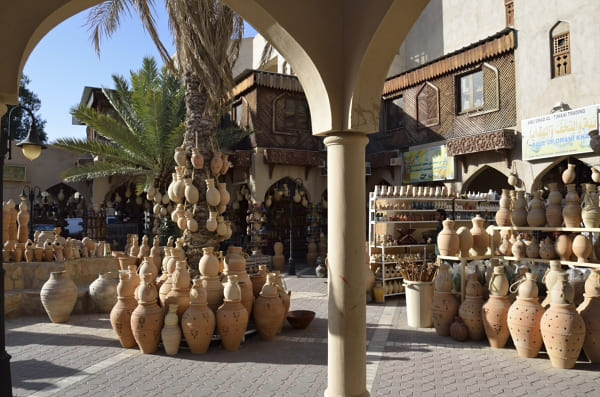
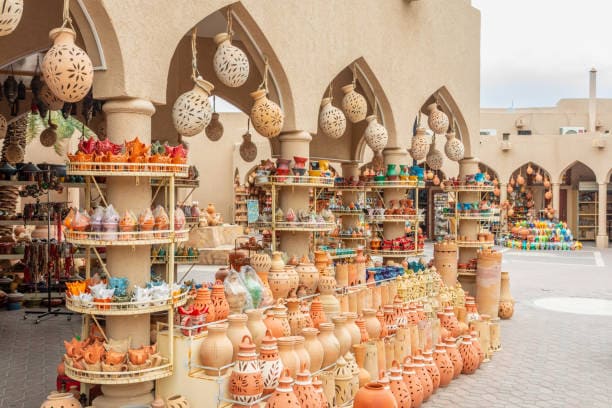
Nizwa is also famous for its traditional Nizwa Souq, where visitors can experience authentic Omani culture through silver jewelry, pottery, spices, and livestock markets that still operate in a traditional style, especially on Fridays. Surrounded by date palm plantations and ancient irrigation systems called falaj, the city blends history with daily life in a very authentic way. Today, Nizwa is a popular destination for travelers exploring Oman’s interior, often combined with trips to nearby mountain regions like Jebel Akhdar and nearby forts and villages.
Salalah
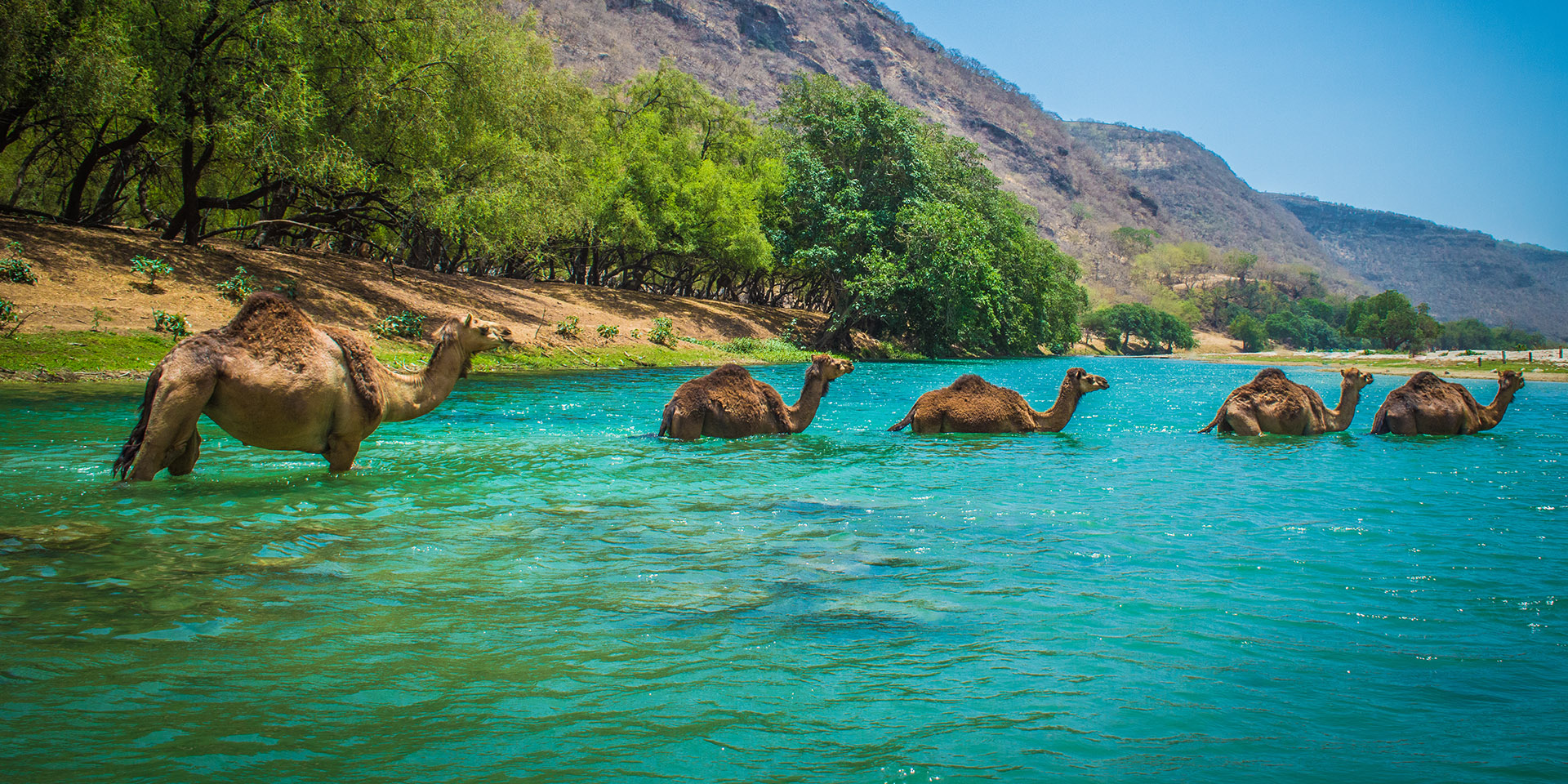
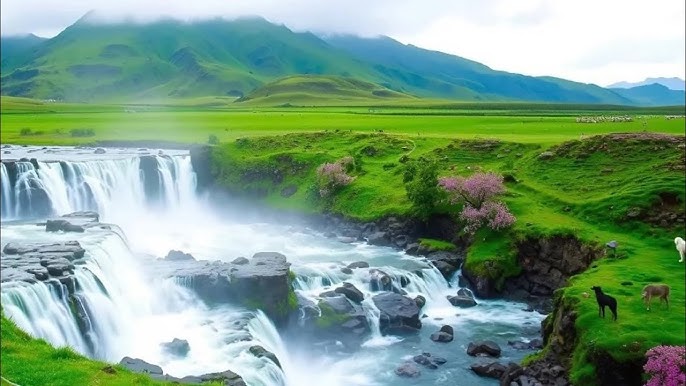
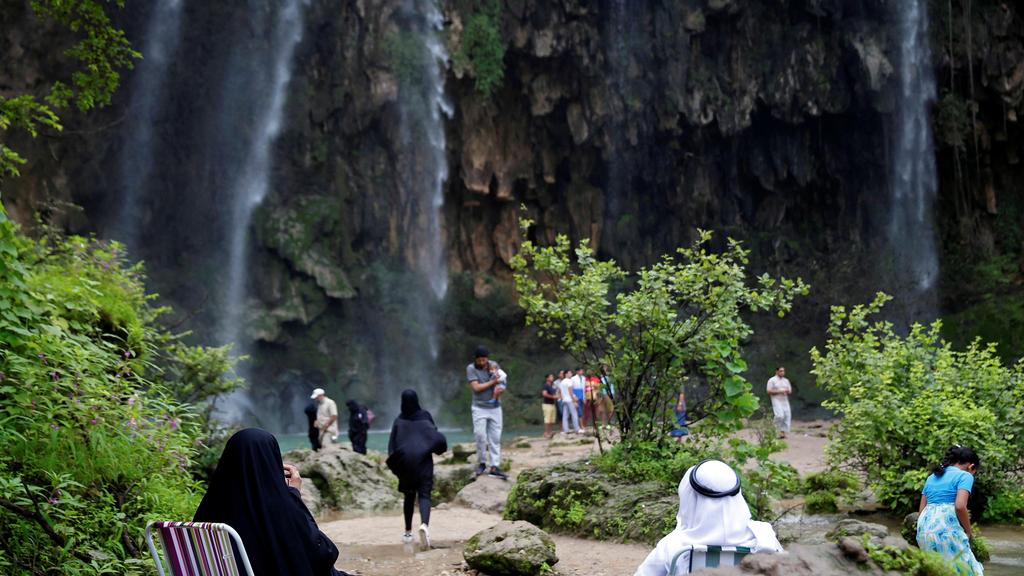
Salalah is the largest city in the Dhofar region of Oman, located in the far south of the country near the Arabian Sea. It is very different from most of Oman because it experiences a unique monsoon season called the Khareef (June to September), which transforms the surrounding landscapes into lush green hills, waterfalls, and mist-covered mountains. During this time, Salalah becomes one of the most popular travel destinations in the Arabian Peninsula.
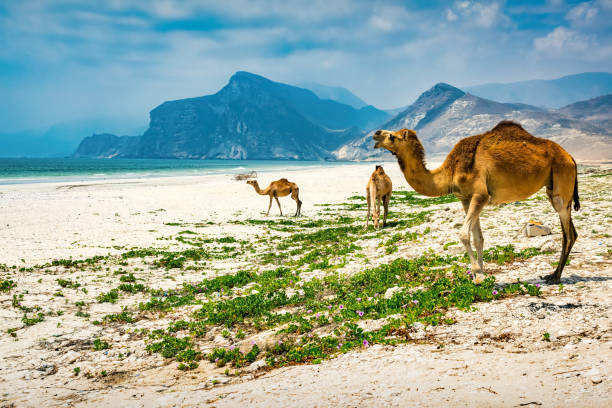
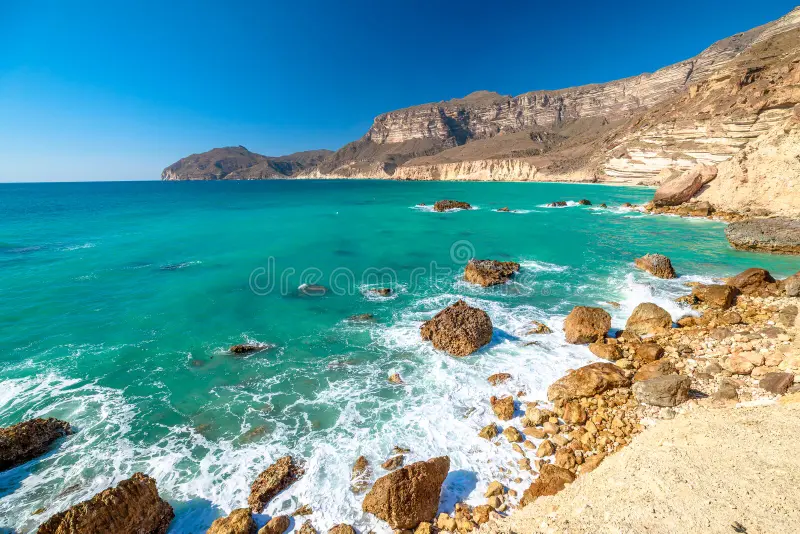
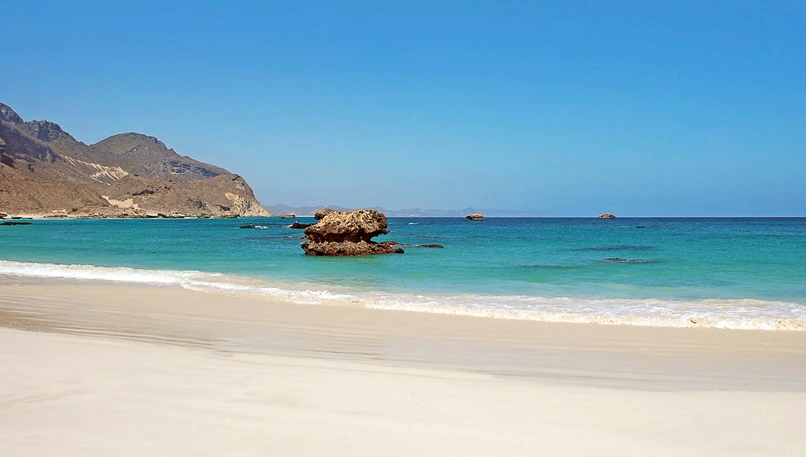
The city is known for its coastal beauty, coconut and banana plantations, and relaxed atmosphere. Nearby natural attractions include the green highlands of the Dhofar mountains, white sandy beaches, and dramatic cliffs along the coast. One of the most visited sites is the ancient ruins of Al Baleed Archaeological Park, which reflects Salalah’s historic role in the frankincense trade route, alongside the nearby Land of Frankincense sites.
Salalah is also culturally significant, with strong traditions linked to incense, fishing, and maritime trade. Unlike the desert landscapes of northern Oman, it offers a tropical feel during the monsoon season, making it one of the most unusual and scenic regions in the Gulf.
Sur
Sur is a historic coastal city in eastern Oman, located along the shores of the Gulf of Oman. It is best known for its long maritime heritage and its traditional dhow (wooden ship) building industry, which has been practiced for centuries and is still visible in shipyards around the city. Sur once played a major role in trade routes between Oman, East Africa, and India, giving it a strong seafaring identity that is still reflected in its culture today.
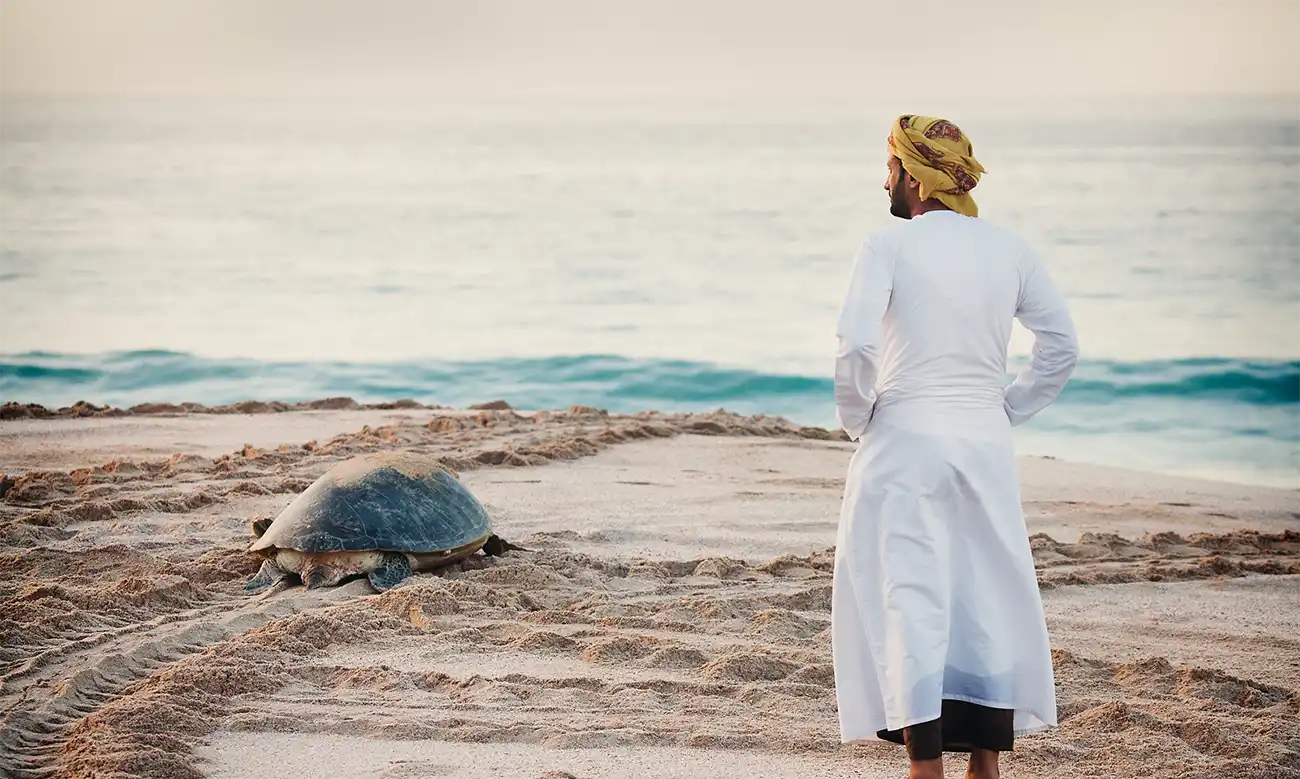
The city is also close to important natural and ecological sites, especially the turtle nesting beaches at Ras Al Jinz Turtle Reserve, where green turtles come ashore to lay eggs, particularly at night. Sur itself features calm lagoons, white-washed coastal neighborhoods, and scenic viewpoints such as the lighthouse area overlooking the sea. Compared to larger cities like Muscat, Sur is quieter and more traditional, making it a popular stop for travelers exploring Oman’s eastern coastline.
Wahiba Sands
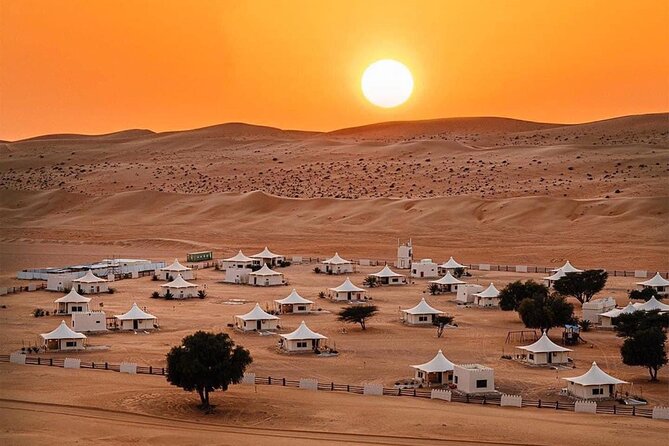
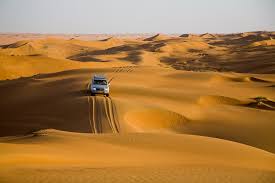
Wahiba Sands, also known as the Sharqiya Sands, is a vast desert in eastern Oman located between the northern and central regions of the country. It is characterized by endless rolling sand dunes that shift in color from golden to deep orange, creating one of the most iconic desert landscapes in the Arabian Peninsula. The area is traditionally home to Bedouin tribes, and some families still maintain a nomadic or semi-nomadic lifestyle, preserving cultural traditions such as camel herding and desert craftsmanship.
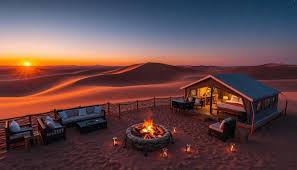
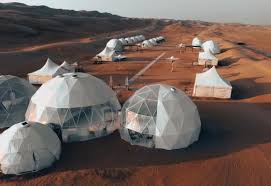
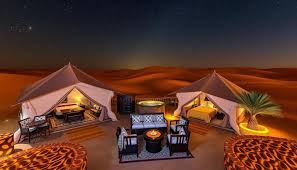
The desert is a popular destination for adventure tourism, offering activities such as dune bashing, camel trekking, sandboarding, and overnight stays in desert camps under clear star-filled skies. Visitors often experience traditional Omani hospitality in Bedouin-style camps, where meals, music, and storytelling are part of the experience. Despite its remote and harsh environment, Wahiba Sands is one of Oman’s most accessible deserts, located within driving distance from Muscat and often combined with trips to nearby wadis and coastal towns.